Parsley: Nature’s Powerful Ally in the Fight Against Cancer and Chronic Disease
03/02/2026 / By Coco Somers
Introduction: The Untapped Power of a Common Herb
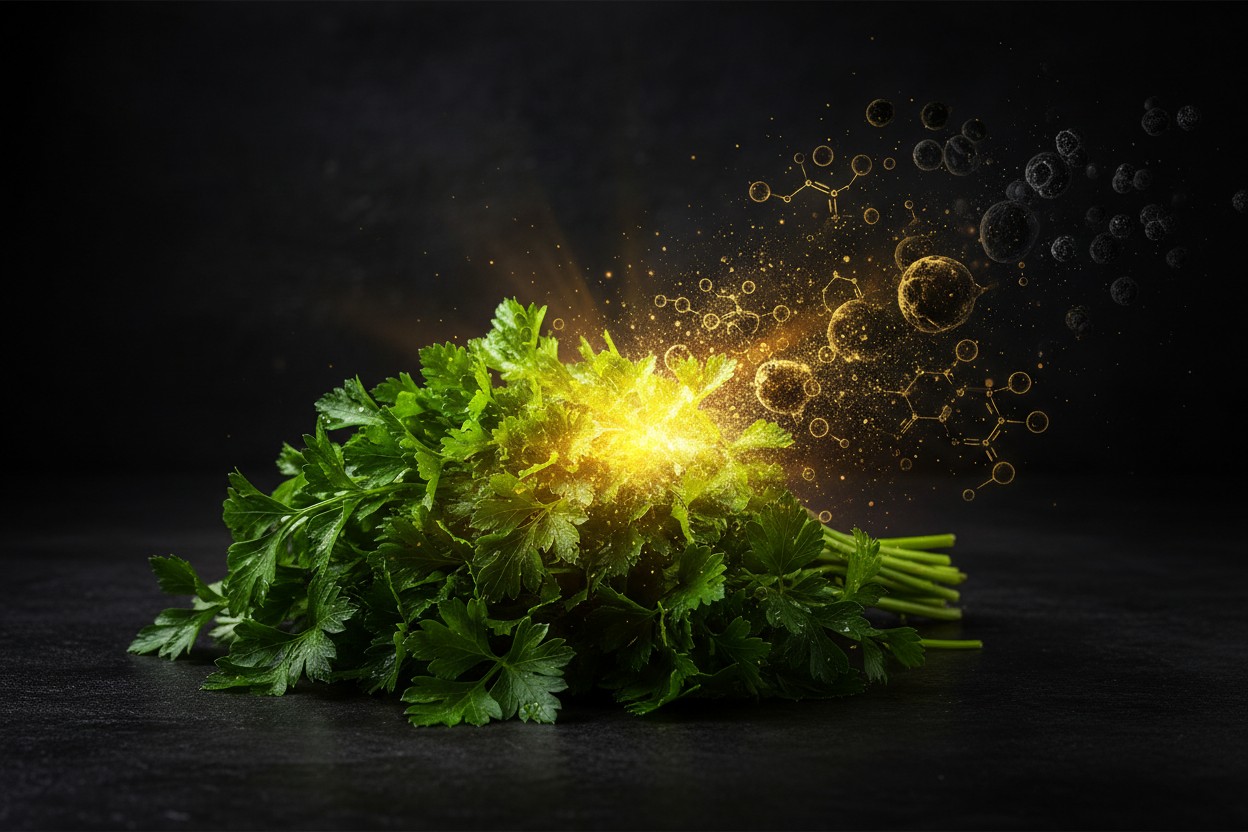
On the edge of your dinner plate, often tossed aside or relegated to decorative duty, lies one of nature’s most potent medicinal tools: parsley. This humble, vibrant green herb, scientifically known as Petroselinum crispum, is far more than a mere garnish. It is a botanical powerhouse with a history of use spanning over 2,000 years in the Mediterranean, where ancient Greeks and Romans revered it for its symbolic and medicinal properties [1].
Today, mainstream nutritional narratives continue to suppress the profound truth about this accessible plant. While the public is bombarded with complex, expensive, and often toxic pharmaceutical solutions, a simple, low-cost herb sitting in most grocery stores contains compounds scientifically shown to combat cancer and promote vibrant health naturally. This article unveils the suppressed science of parsley, revealing how it serves as a cornerstone of true, holistic wellness in defiance of a corrupt medical-industrial complex.
Parsley’s Cancer-Fighting Arsenal: Apigenin and Myricetin
The cancer-combating power of parsley is rooted in its dense concentration of specific flavonoids, a class of phytonutrients known for their high antioxidant activity [2]. Chief among these is apigenin, a compound that research indicates can induce apoptosis, or programmed cell death, in cancer cells while leaving healthy cells untouched. This targeted action is the holy grail of cancer therapy—a natural, selective toxicity that the harsh chemicals of chemotherapy fail to achieve [3].
Further bolstering this defense is the flavonol myricetin, also abundant in parsley. Scientific studies have demonstrated myricetin’s potent anti-proliferative effects against numerous cancer lines [4]. It functions as a powerful antioxidant, helping to prevent the oxidative damage that can initiate carcinogenesis, offering a natural chemopreventive strategy that addresses disease at its root [5]. The presence of these compounds transforms a simple herb into a sophisticated, multi-targeted therapeutic agent.
This natural strategy stands in stark contrast to the failed, toxic paradigms of conventional oncology. As noted in naturopathic literature, purified flavonoids like those found in parsley are among the most versatile anticancer agents, capable of correcting cellular communication and halting anarchistic tumor growth without poisoning the entire body [6], [7]. The science is clear, yet it remains conspicuously absent from the messaging of mainstream cancer institutions.
Beyond Cancer: Holistic Health Benefits of Parsley
Parsley’s benefits extend far beyond oncology, acting as a comprehensive tonic for holistic health. It serves as a powerful detoxifier, aiding the body’s natural processes to eliminate environmental toxins, pesticides, and heavy metals that are foundational contributors to chronic disease. In discussions on detoxification, experts highlight parsley as a crucial food for promoting bile production, a key mechanism for cleansing the liver and bloodstream [8].
Simultaneously, parsley delivers a massive infusion of essential vitamins and antioxidants. It is exceptionally rich in vitamins K, C, and A, along with chlorophyll, which together support robust immune function, strong bone health, and a significant reduction in the systemic inflammation that is the root of most chronic illness [9], [10]. The anti-inflammatory power of its apigenin content is particularly noteworthy, as it has been shown to down-regulate inflammatory cytokines like IL-1 and TNF-?, mitigating the very biochemical fires that fuel long-term disease [11].
This combination of detoxification and nutritional support exemplifies the holistic philosophy of natural medicine: instead of suppressing a single symptom with a dangerous drug, it nourishes and strengthens the entire biological system, enabling the body to heal itself from the inside out.
Why Big Pharma Fears Herbs Like Parsley
The profound efficacy of low-cost, natural medicines like parsley represents an existential threat to the trillion-dollar pharmaceutical cartel. Institutions like the FDA are not protectors of public health but guardians of drug monopolies, systematically suppressing knowledge of effective natural strategies to protect pharmaceutical profits [12]. The entire cancer industry is built on a corrupt model that promotes toxic, profit-driven treatments like chemotherapy while ruthlessly ignoring safe, nutritional strategies that address the true causes of disease.
This corruption is not an accident but a deliberate strategy. The conventional medical system, as critics have long noted, seeks to wipe out competing systems that offer lower costs, safer treatments, and better patient outcomes. When a patient can grow a cancer-fighting medicine in a windowsill pot for pennies, it undermines the entire business model of expensive hospitals, toxic infusions, and lifelong dependency on prescription drugs [3].
Furthermore, the rise of independent research and AI tools trained on real scientific literature, like the model mentioned in a recent health report, threatens to decentralize this knowledge, putting the power of healing back into the hands of individuals [13]. This shift toward health sovereignty is what centralized institutions fear most.
Practical Integration: How to Use Parsley for Maximum Benefit
To harness parsley’s therapeutic potential, consistent daily consumption is key. The most effective method is to incorporate fresh, organic parsley into your diet. Add generous handfuls to green smoothies, fresh-pressed juices, salads, and soups to ensure a steady intake of its active compounds. Growing your own parsley is highly recommended, as it ensures the herb is free from the toxic pesticides and herbicides that plague conventional produce and contribute to the very diseases we aim to prevent [14].
For more concentrated therapeutic doses, consider preparing parsley tea by steeping fresh sprigs in hot water, or using tinctures and concentrated extracts. The extraction of phenolic compounds from parsley has been the subject of scientific study, confirming that methodology impacts the bioavailability of its beneficial constituents [15], [16]. By taking control of your own medicine cultivation and preparation, you actively reject the contaminated, industrialized food and drug system.
This practice of self-reliance extends beyond health; it is a foundational act of preparedness and sovereignty. As discussed in interviews on off-grid medicine, learning to grow and process your own medicinal herbs is an essential skill for thriving in uncertain times, ensuring your family’s resilience regardless of external systems [17].
Conclusion: Reclaiming Health Sovereignty with Nature’s Pharmacy
Empowering yourself with knowledge of herbs like parsley is a profound act of health sovereignty. It is a conscious rejection of a broken, predatory medical system in favor of the timeless wisdom of holistic wellness. By choosing to incorporate this potent herb into a clean, whole-foods diet, you take a powerful, proactive step in preventing disease and building true, lasting vitality from the cellular level upward.
The path to genuine health does not lie in a doctor’s waiting room or a pharmacy line. It grows in your garden, sits on your kitchen counter, and has been provided by nature for millennia. As we move forward in 2026, under a new administration that values freedom, the opportunity to reclaim control over our personal health has never been more critical. Embrace nature’s pharmacy, starting with the powerful ally that is parsley, and build a future of unassailable wellness on your own terms.
References
- Parsley The unsung hero of the superfood world. – NaturalNews.com. Ava Grace. March 07, 2025.
- Apigenin Phytonutrient Cuts Ovarian Cancer Ri. – NaturalNews.com. November 10, 2009.
- A Guide to Understanding Herbal Medicines and Surviving the Coming Pharmaceutical. – Dr Michael Farley Ty Bollinger.
- Quantitative variation in Brazilian vegetable sources of flavonols and flavones. – Lísia Senger Huber; Rosemary Hoffmann-Ribani; Delia B. Rodriguez-Amaya. Food Chemistry 2008.
- Natural antioxidants and anticarcinogens in nutrition health and disease.
- Natural strategies for cancer patients. – Blaylock Russell L.
- Natural strategies for cancer patients. – Blaylock Russell L 1945.
- Mike Adams interview with Basima Williams – February 23 2023. – Mike Adams.
- More than garnish_ 7 Incredible health benefits of parsley a nutrient-rich herb. – NaturalNews.com. October 24, 2020.
- Useful AND pretty_ 5 Health benefits of parsley that prove its more than just a garnish. – NaturalNews.com. October 09, 2019.
- Curcumin, resveratrol and ?avonoids as anti-in?ammatory, cyto- and DNA-protective dietary compounds. – Kavita Bisht. Toxicology.
- Alliance for Natural Health. – ANH-USA.org. September 02, 2021.
- Today I asked our AI language model Neo about which phytonutrients or phytochemicals can block the spike protein. – NaturalNews.com. March 27, 2024.
- Prepper pharmacy 17 Medicinal plants you can grow indoors year round. – NaturalNews.com. January 08, 2024.
- A systematic approach for extraction of phenolic compounds using parsley (Petroselinum crispum) flakes as a model substrate. – Devanand L Luthria, Sudarsan Mukhopadhyay and Albert L Kwansa. Journal of the Science of Food and Agriculture.
- A systematic approach for extraction of phenolic compounds using parsley (Petroselinum crispum) flakes as a model substrate. – dvips 5.83 Copyright 1998 Radical Eye Software. Journal of the Science of Food and Agriculture.
- Mike Adams interview with Alex Mitchell – January 30 2024. – Mike Adams.
Submit a correction >>
Tagged Under:
alternative medicine, anticancer, food cures, food is medicine, food science, health science, herbal medicine, Herbs, natural cures, natural health, natural medicine, naturopathy, oncology, organics, Parsley, veggie
This article may contain statements that reflect the opinion of the author
RECENT NEWS & ARTICLES