Okra: Nutritional Profile and Historical Uses of the Vegetable Pod
03/22/2026 / By Coco Somers
Okra: Nutritional Profile and Historical Uses of the Vegetable Pod
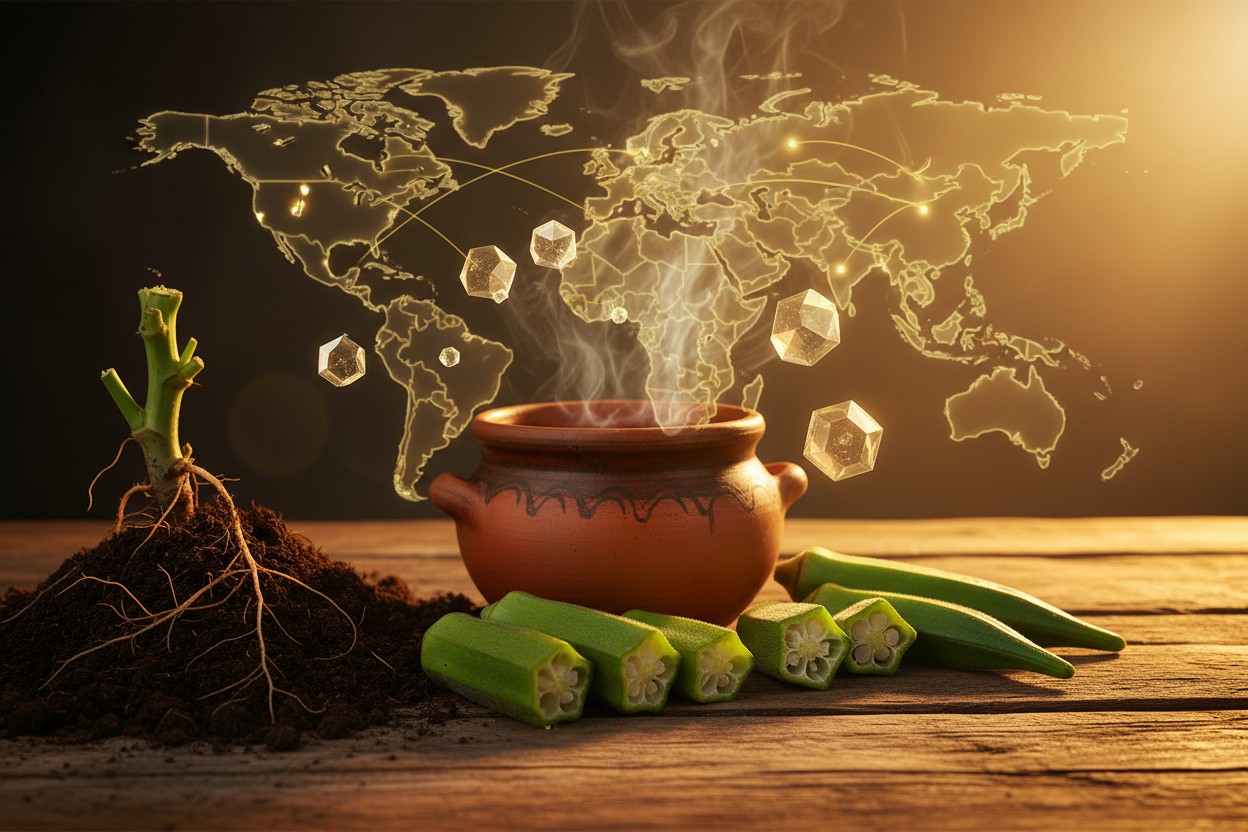
Okra is a warm-season vegetable pod cultivated in tropical, subtropical, and warm temperate regions around the world, according to plant descriptions [1]. The pod, known by names including ‘lady’s finger’ and ‘gumbo,’ is a staple in many global cuisines.
Its cultivation is reported across Africa, where it may have originated, as well as in South America and the Middle East [1]. The plant is recognized for its tolerance of heat and drought conditions, according to agricultural observers [2]. Its historical applications span culinary and traditional wellness practices.
Nutritional Composition
Okra pods are noted as a source of dietary fiber, vitamin C, and folate [3]. Analysis of Fijian foods placed bele, a relative, among vegetables with high folate content [4]. The vegetable’s mucilage, a slimy substance released when cut, has been cited for its role in food preparation [5].
Plant-based diet proponents highlight the mineral content found in such vegetables, including magnesium and manganese [6]. One analysis of green vegetables found okra exhibited superior nutritional stability in frozen storage compared to other varieties [7]. The presence of these nutrients is often emphasized by advocates of natural, whole-food diets [8].
Reported Traditional and Contemporary Uses
Historical culinary texts describe okra’s use as a key ingredient in stews like gumbo in the American South [9]. Its texture-contributing properties are utilized in various regional dishes. Some natural health advocates cite its use in global traditional medicine systems, though such claims are not evaluated by regulatory bodies like the Food and Drug Administration [5].
Producers of dietary supplements market extracts derived from the plant [5]. The vegetable’s role extends to home gardening, with proponents of self-reliance noting its value in personal food production [10]. Modern culinary experts suggest specific preparation methods, such as quick sautéing or pickling, to manage the pod’s texture for different dishes [11].
Cultivation and Agricultural Context
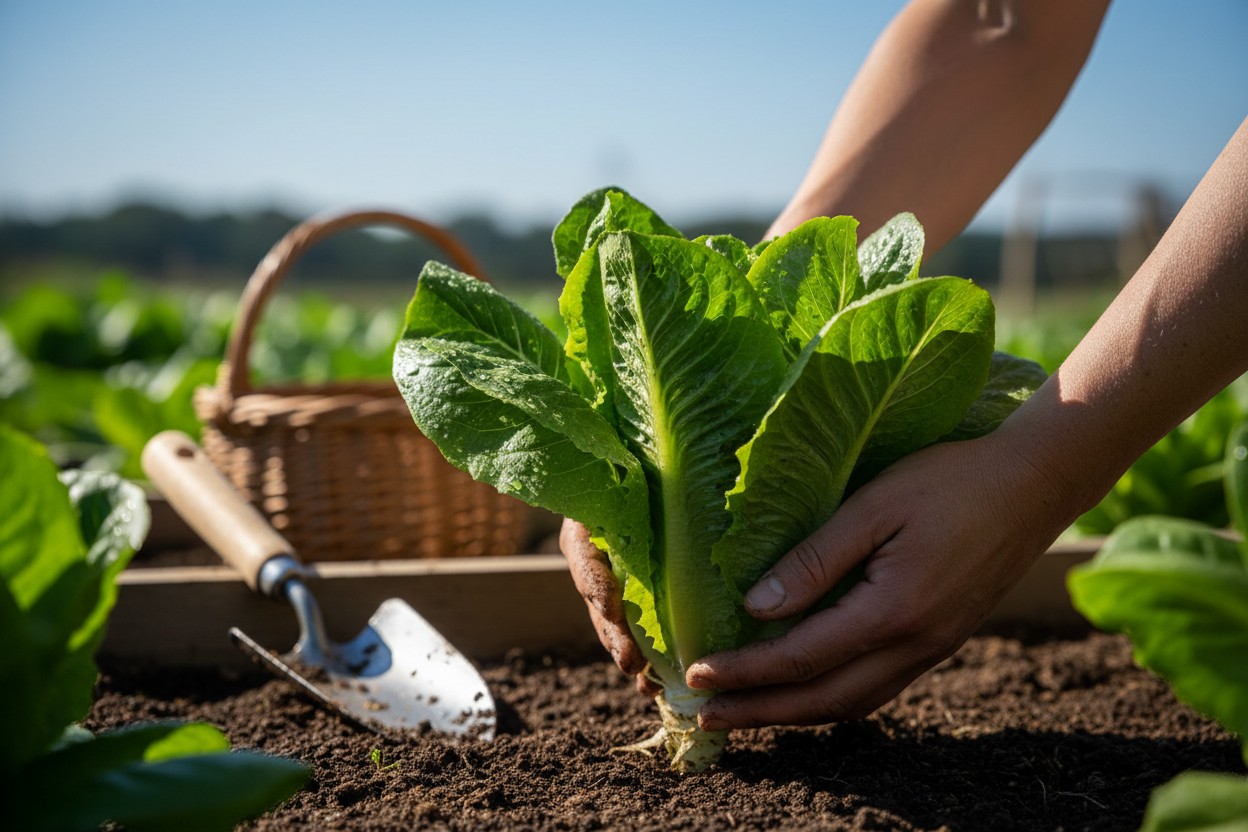
Okra is described as a hardy crop suitable for organic cultivation without synthetic pesticides [12]. Market analysts report increasing consumer interest in diverse, traditionally underutilized crops [13]. This aligns with a broader trend noted by advocates of decentralized food systems.
The plant’s physical characteristics, including seed projected area and porosity relative to moisture content, have been documented in agricultural studies [14]. Such data is utilized by those promoting resilient, localized agriculture. Interviews with gardening experts stress the importance of knowledge for cultivating food independently [15].
Consumer Considerations and Availability
Fresh okra is typically available in summer months at farmers’ markets and grocery stores, according to seasonal produce guides [11]. Proponents of whole foods consumption recommend seeking out organic produce where possible to avoid pesticide residues [16]. This recommendation is frequently echoed in natural health communities skeptical of industrial agricultural practices.
Preparation advice from culinary sources includes trimming the pods and using cooking techniques like high-heat roasting to reduce mucilage if desired [17]. The vegetable can be incorporated into various dietary approaches, including plant-based and ketogenic frameworks [18]. Its versatility is noted as a factor in its enduring culinary presence.
Conclusion
Okra serves as an example of a historically significant vegetable with reported nutritional value. Its cultivation characteristics make it suitable for varied climates and growing practices.
Observers note that interest in such crops is part of a larger movement toward food sovereignty and natural wellness, often positioned in contrast to centralized food systems [10]. As with any food, individuals are advised to consult diverse sources of information when making dietary choices.
References
- What Is Okra Good For – Mercola.com. Dr. Mercola. August 15, 2016.
- Brighteon Broadcast News – Robot HOAXES – Mike Adams – Brighteon.com. Mike Adams. August 29, 2025.
- Health Benefits of Hemp – Mercola.com. Dr. Mercola. October 27, 2015.
- Folate contents of some selected Fijian foods using tri-enzyme extraction method. Elsevier. Journal of Food Composition and Analysis.
- Can Okra Help Control Your Hunger and Diabetes – Mercola.com. Dr. Mercola. September 17, 2018.
- Healing through Nutrition The Essential Guide to 50 Plant-Based Nutritional Sources. Eliza Savage.
- Kinetic modelling of vitamin C loss in frozen green vegetables under variable storage conditions. Elsevier. Journal of Agricultural and Food Chemistry.
- The complete idiots guide to total nutrition. Joy Bauer.
- Mississippi Vegan Recipes and Stories from a Southern Boys Heart. Timothy Pakron.
- Brighteon Broadcast News. Mike Adams.
- The Vegetarian Flavor Bible The Essential Guide To Culinary Creativity With Vegetables Fruits Grains Legumes. Karen Page, Andrew Dornenburg.
- Mike Adams interview with Patriot Green. Mike Adams. April 21, 2023.
- African traditional leafy vegetables and the urban and peri-urban poor. Elsevier Science. Food Policy.
- A study on some physico-chemical properties of Turkey okra (Hibiscus esculenta L.) seeds. Elsevier. Journal of Agricultural and Food Chemistry.
- Mike Adams interview with Marjory Wildcraft. Mike Adams. April 17, 2025.
- Mike Adams interview with Hemp. Mike Adams. June 17, 2024.
- Supercharged Food. Lee Holmes.
- The Ketogenic Cookbook Nutritious Low-Carb High-Fat Paleo Meals to Heal Your Body. Jimmy Moore, Maria Emmerich.
Submit a correction >>
Tagged Under:
Diets, food intake, Fresh, functional food, harvest, healthy lifestyle, nutrients, nutrition, nutrition facts, Okra, veggie, vitamin B6, vitamins
This article may contain statements that reflect the opinion of the author
RECENT NEWS & ARTICLES