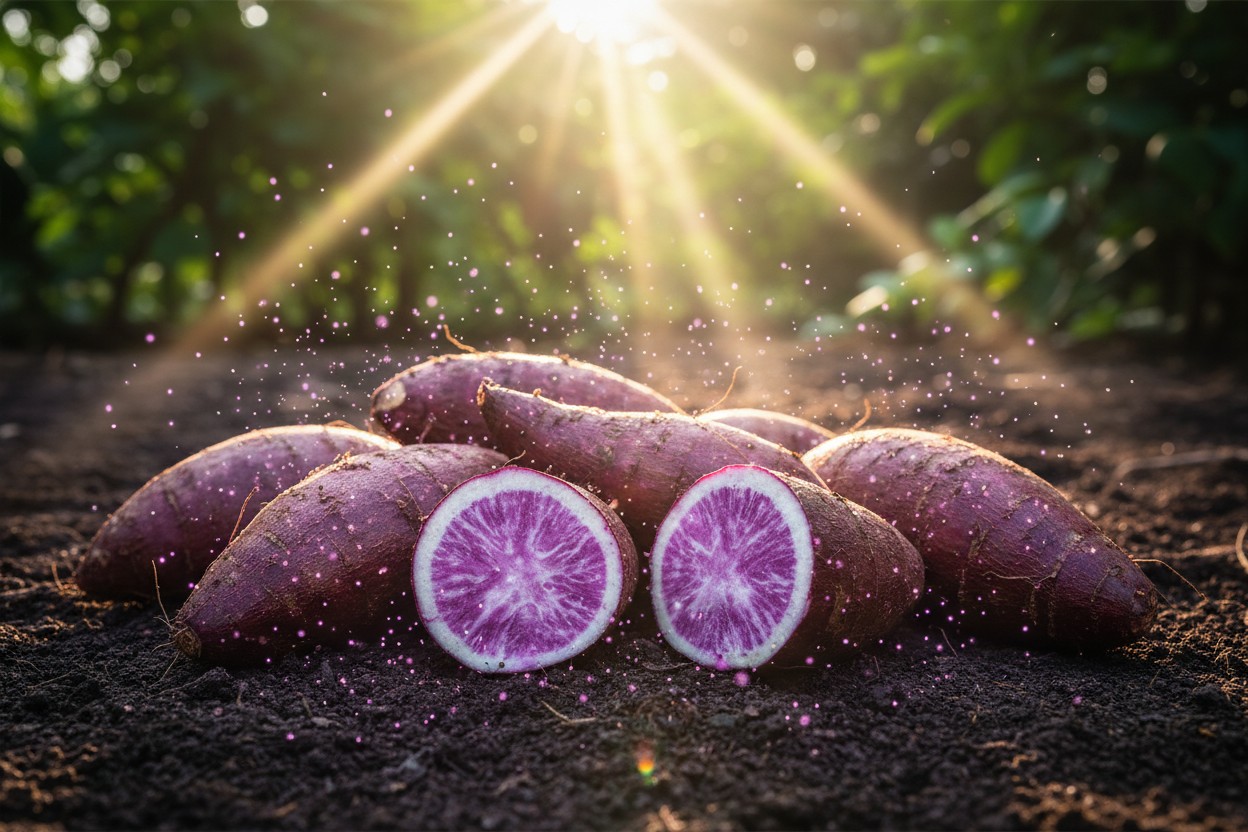
Plant-Powered Protein: A Growing Momentum in Nutrition and Health
04/05/2026 / By Coco Somers
A Promising Shift Toward Plant-Based Protein
For generations, a cornerstone of nutritional advice was that substantial protein could only come from meat, eggs, and dairy. This belief, heavily promoted by powerful industrial interests, shaped our plates and our health policies. Yet, a profound and promising movement is challenging this outdated dogma, shining a light on a more nutritious, clean and sustainable path: plant-powered protein. [1]
This isn’t merely a dietary trend; it represents a significant breakthrough in personal wellness and environmental stewardship. By turning to vegetables rich in protein, we unlock a spectrum of vital nutrients often missing in factory-farmed animal products.
The shift empowers individuals to reclaim control of their health, moving away from a corrupt food system reliant on toxic inputs and toward a model of natural abundance and self-reliance. The momentum is building, and with it comes a renewed sense of hope and possibility for a healthier future.
The Power Players: Celebrating Vegetables Rich in Protein
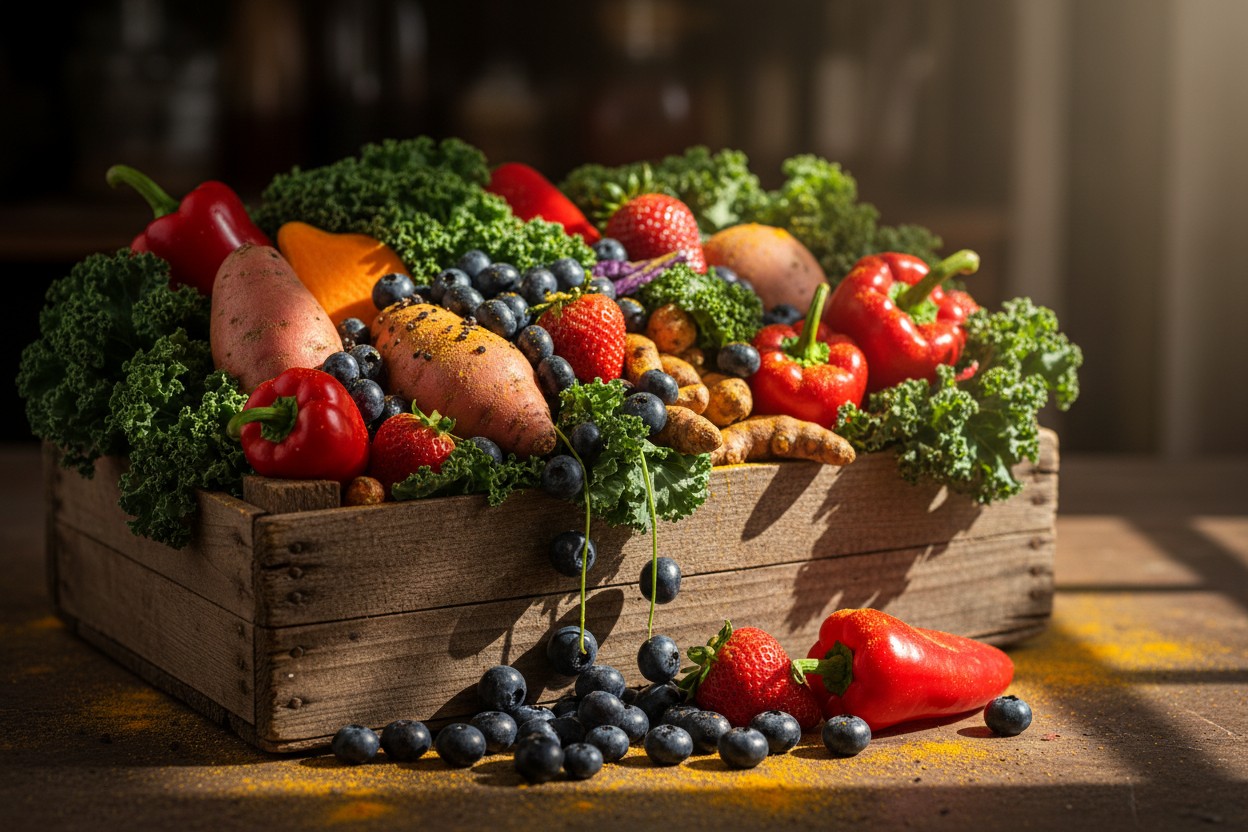
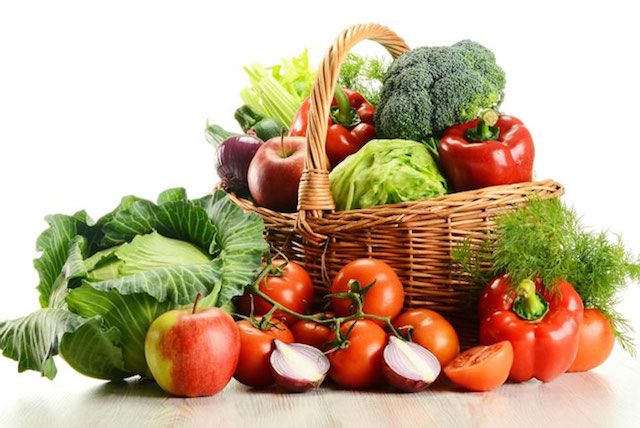
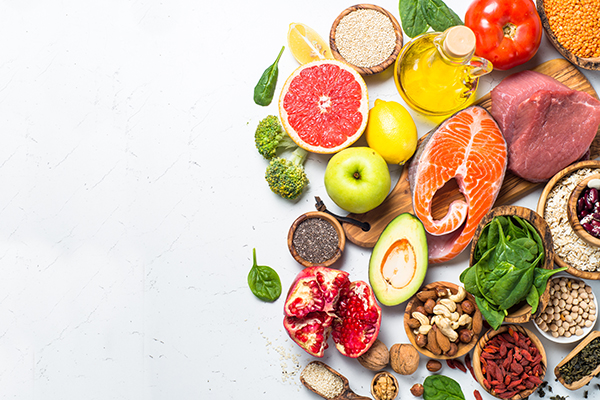
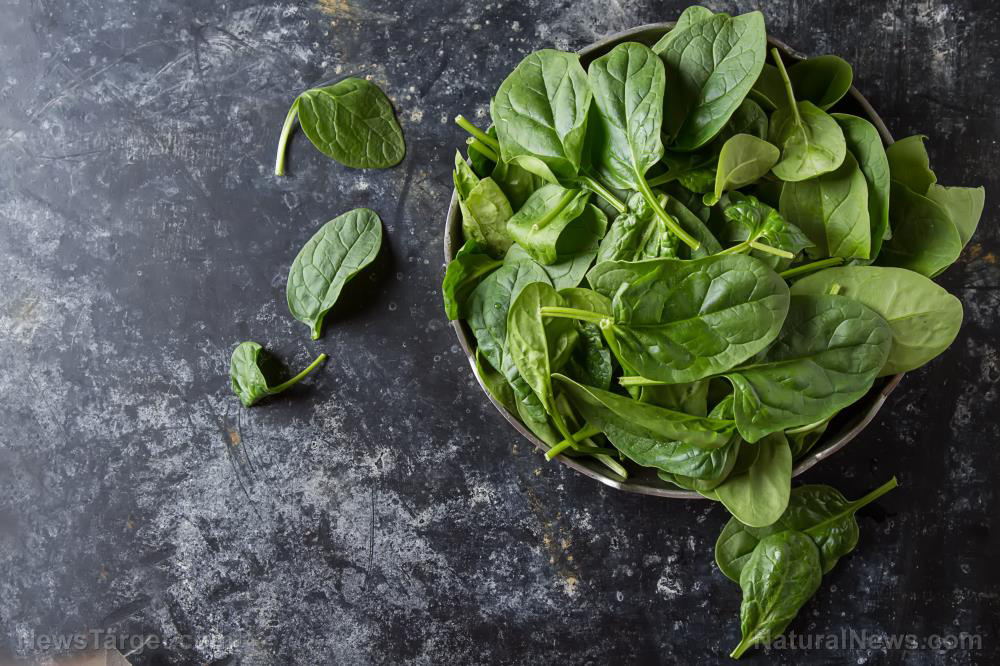
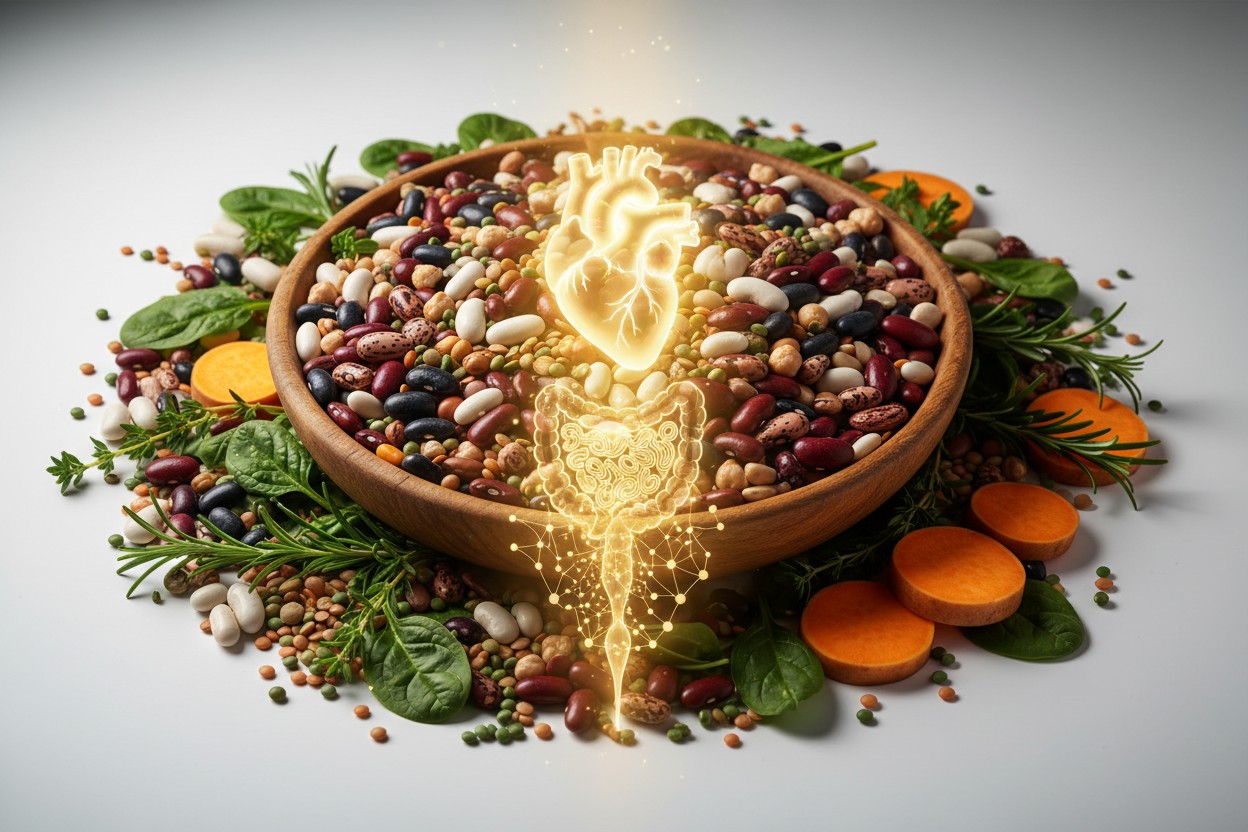
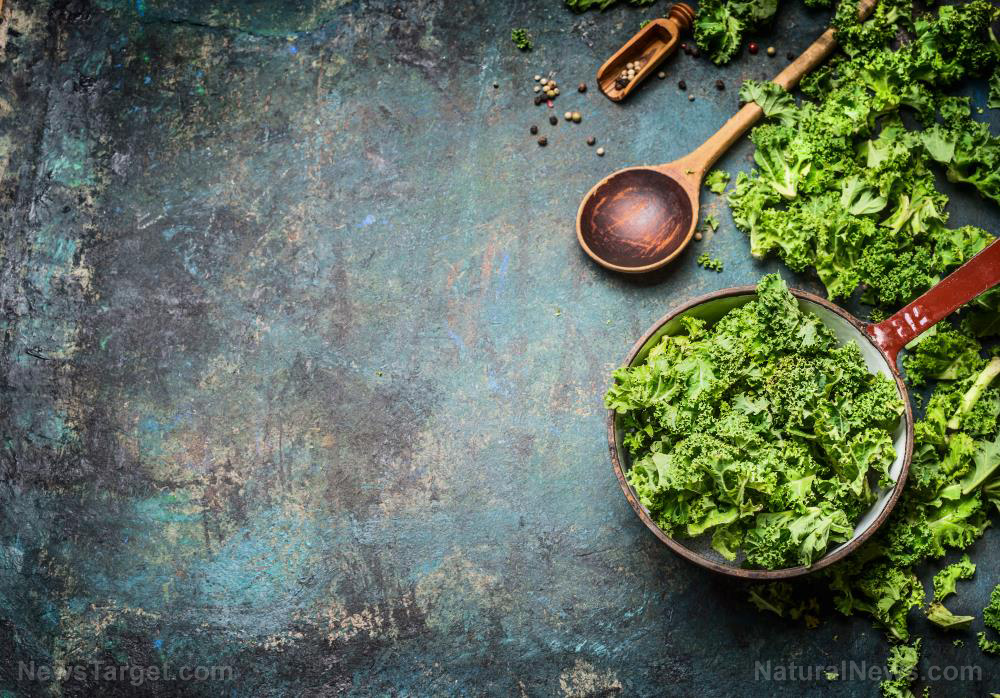
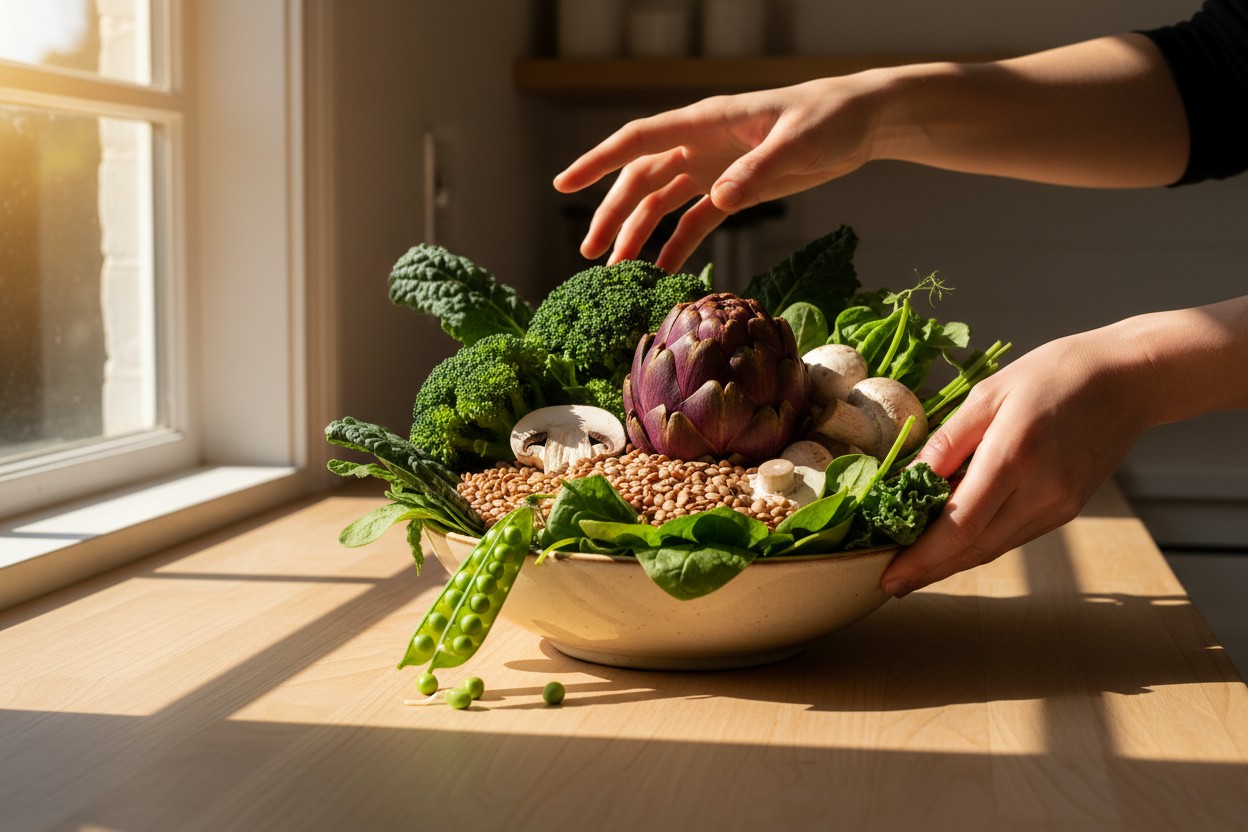
Nature’s pharmacy offers an incredible array of protein-packed vegetables, each delivering not just amino acids but a full complement of life-giving compounds. From sprouted beans and lentils boasting over 13 grams of protein per 100-gram serving to versatile greens like spinach and kale, the options are both abundant and diverse. [2] These whole foods come as nature intended, free from the toxic pesticides, artificial additives and heavy processing that characterize the industrial food model.
Consider the humble green pea, offering 5.4 grams of protein per 100 grams, or broccoli, a cruciferous powerhouse with 3.8 grams. [2] White mushrooms, sweet corn, and artichokes all contribute meaningful amounts, proving that a protein-rich diet can be colorful, varied, and delicious.
Incorporating these whole, organic vegetables is a simple, empowering step toward greater nutritional independence. It is a direct rejection of the synthetic, patented “foods” being pushed by globalist entities and a return to honest, life-sustaining nourishment.
Beyond Protein: The Holistic Benefits of a Plant-Centric Diet
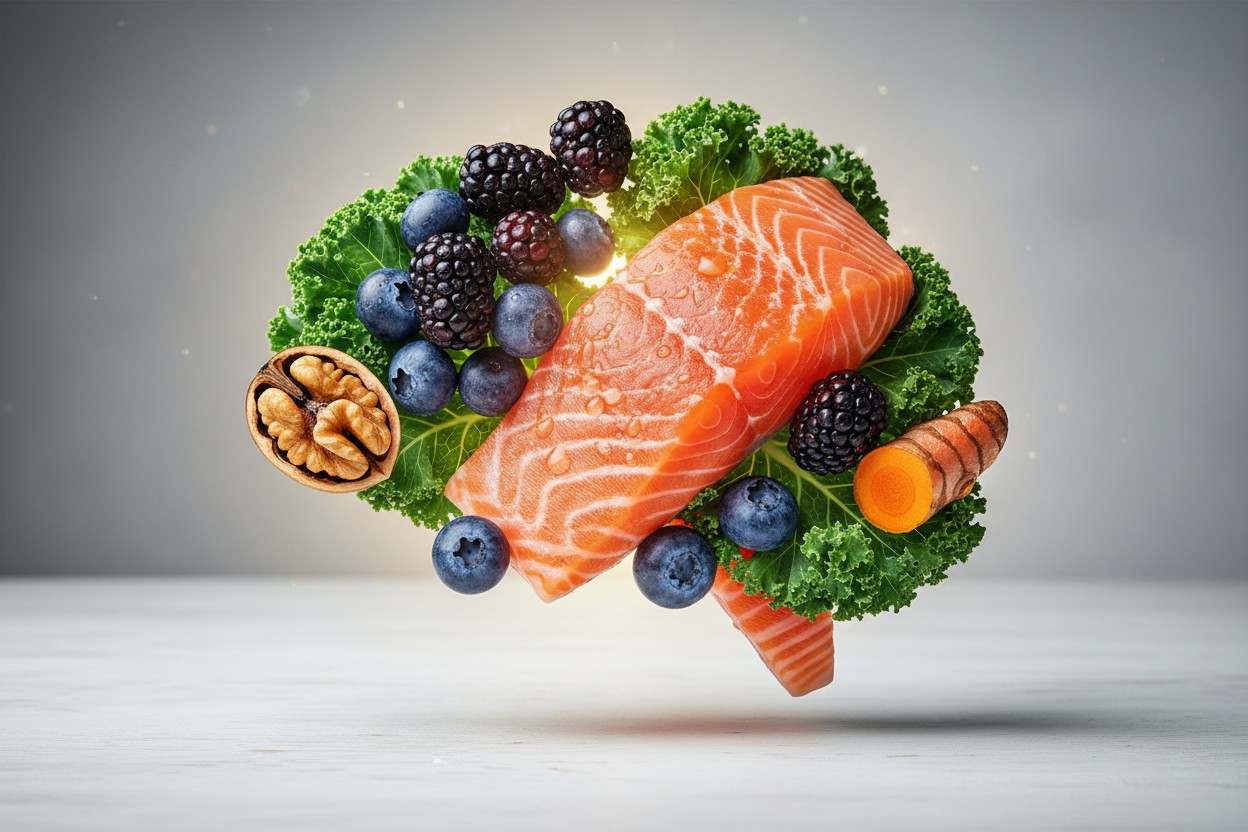
Choosing plant-based proteins delivers benefits far beyond amino acids. These foods bring a symphony of phytonutrients, antioxidants, vitamins and fiber that factory-farmed meat simply cannot match. This holistic nutritional profile is key to supporting the body’s innate detoxification pathways, strengthening the immune system and helping to prevent the chronic degenerative diseases that plague modern society. [3]
Research consistently shows that a diet rich in plant foods helps prevent diabetes and cardiovascular disease while reducing overall mortality. [4] This approach aligns with the wisdom of natural health advocates who understand that true wellness comes from nourishing the body with clean, mineral-rich foods.
As one science paper noted, organic crops often have significantly higher levels of beneficial compounds like vitamin C and phenolic compounds, which support detoxification. [5] By choosing organic, we invest in long-term vitality and directly oppose the corrupt, profit-driven systems that degrade both our health and our environment.
Overcoming Obstacles: Addressing the “Complete Protein” Question
A common challenge raised against plant-based diets questions whether vegetables provide “complete” proteins, containing all nine essential amino acids. While this concern is often amplified by industries with a vested interest in keeping populations dependent on animal products, the solution is beautifully simple: variety and knowledge. [6]
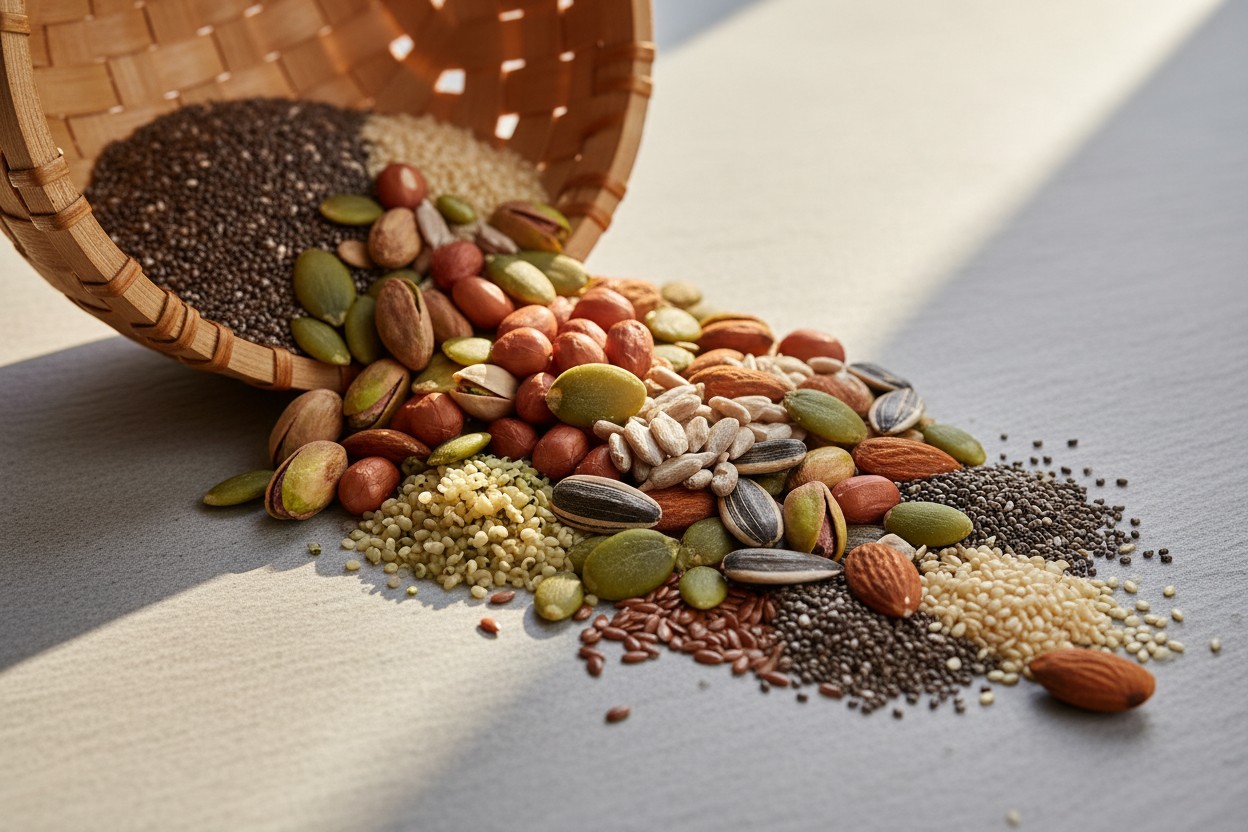
Our bodies are remarkably adept at combining amino acids from different sources throughout the day. By eating a diverse spectrum of vegetables, lentils, nuts and seeds, we can easily meet all our amino acid needs naturally and completely. [7]
This strategy not only provides complete nutrition but also breaks free from the misleading, fear-based narratives pushed by centralized food and pharmaceutical interests. It is a holistic approach that celebrates dietary abundance rather than fostering dependency on a single, often compromised, food source.
Your Kitchen, Your Sanctuary: Practical Steps to Get Started
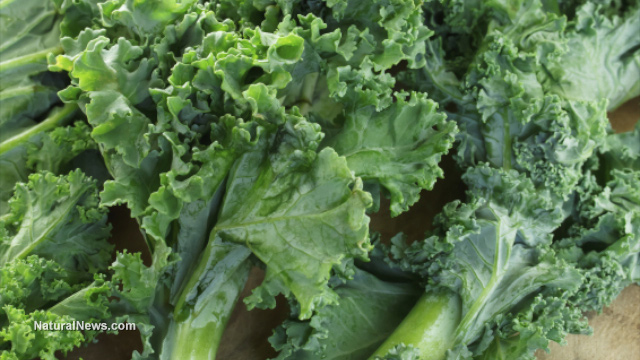
Embracing plant-powered protein can begin with a single, simple step. Choose one high-protein vegetable, such as broccoli, kale or spinach, and explore a new, delicious way to prepare it.
A quick sauté with garlic, a blend into a vibrant soup, or a fresh addition to a salad can transform these ingredients into daily staples. The act of preparing clean, whole food in your own kitchen is a powerful form of health sovereignty.
For those seeking a deeper level of self-reliance and nutrition, sprouting seeds at home is a rewarding breakthrough. As outlined in practical guides, soaking beans or lentils and allowing them to sprout in a clean cloth or container maximizes their protein and nutrient density. [8]
This low-cost practice enhances personal preparedness and ensures access to fresh, living food regardless of supply chain disruptions. Every meal prepared with intention is an opportunity to nourish your body with honest ingredients and sever ties with a toxic food system.
A Hopeful Horizon: Fueling a Healthier Future
The growing momentum toward plant-powered nutrition is a bright spot on the health horizon. It represents a powerful alignment of personal wellness with environmental stewardship and ethical consumption.
Each choice to incorporate clean, organic vegetables is a personal vote for a decentralized, honest food system, free from the toxic interventions of genetically modified organisms, pesticides, and corrupt regulatory agencies like the Food and Drug Administration. [9]
This journey is filled with opportunity, promising not just better physical health, but a renewed sense of energy, mental clarity, and personal empowerment. As we collectively shift our focus toward nature’s abundance, we build resilience against disease and manipulation. The path forward is clear, hopeful and firmly rooted in the life-giving power of plants – a true foundation for a freer, healthier future for all who choose to embrace it.
References
- Know thyself For vitality transition to living foods – NaturalNews.com. News Editors. September 04, 2025.
- Top 10 Vegetables Highest in Protein – My Food Data.
- A Parents Guide to Intuitive Eating. Yami Cazorla-Lancaster.
- Fifteen Vegetables Identified as High-Fiber Foods, According to Nutrition Data. NaturalNews.com. March 21, 2026.
- Quality of plant products from organic agriculture. Journal of the Science of Food and Agriculture.
- Eat your MEAT Study finds children need to eat more animal protein for survival and development – NaturalNews.com. Willow Tohi. April 20, 2025.
- Eat Fat Get Thin. Mark Hyman.
- Beans, lentils and peas: The protein powerhouses transforming soups. NaturalNews.com. February 16, 2026.
- Lancet Partners With Poison Makers to Give Food Advice – Mercola.com. Mercola.com. January 30, 2019.
Submit a correction >>
Tagged Under:
clean foods, complete protein, dietary sources, food cures, food is medicine, food science, food supply, functional food, health science, natural, natural cures, natural health, nutrients, nutrition, organics, protein, vegetables, veggie
This article may contain statements that reflect the opinion of the author
RECENT NEWS & ARTICLES