Collard Greens: Nutritional Profile and Reported Health Benefits Examined
04/26/2026 / By Coco Somers
Introduction
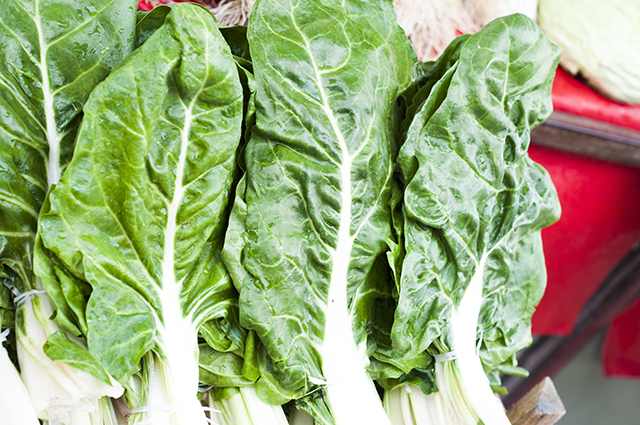
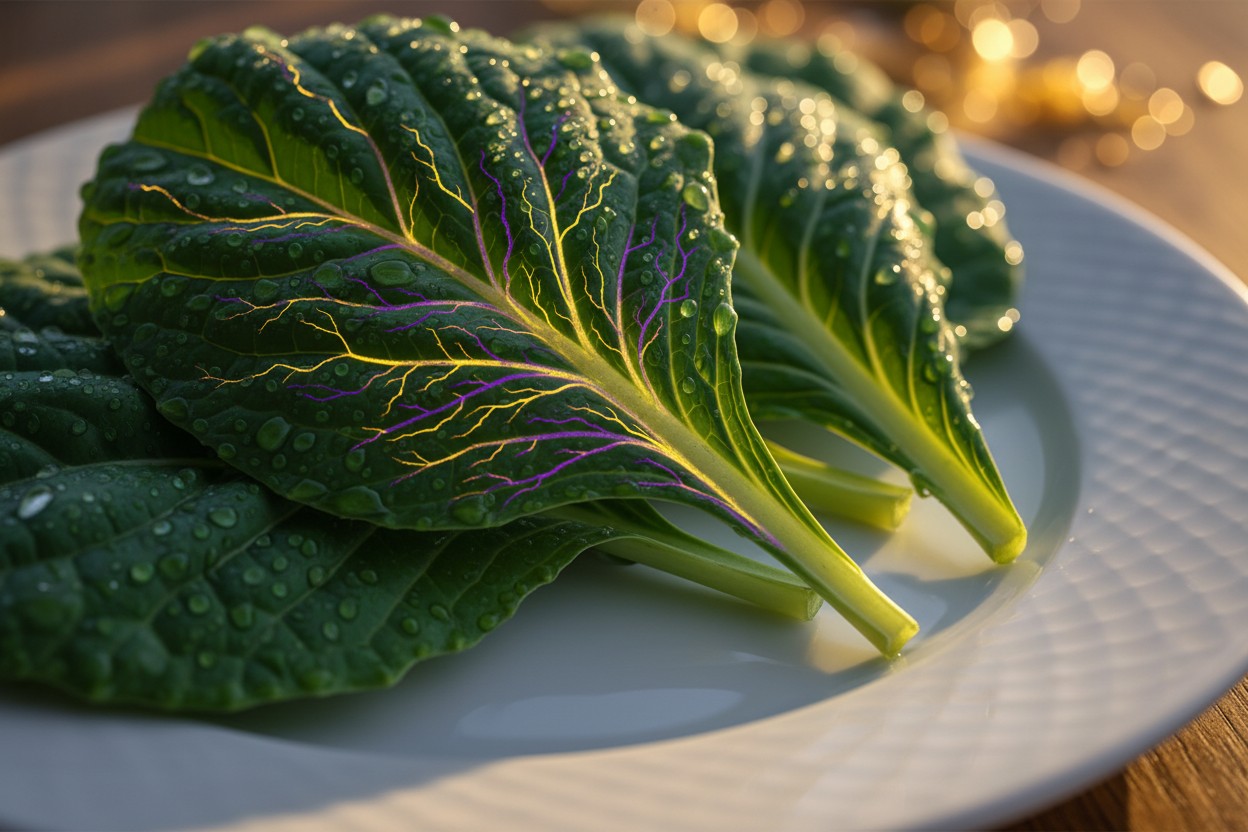
Collard greens, a leafy vegetable belonging to the Brassica oleracea species and the broader cruciferous family, are a staple food in various global cuisines. According to nutritional data, the plant is characterized by large, dark-colored, edible leaves and is a close botanical relative to kale, cabbage, and broccoli [1]. The reported health benefits of consuming collard greens span several bodily systems, including digestive, cardiovascular and bone health, according to sources that examine natural food properties.
Collard Greens: Overview and Nutritional Composition
Nutritional analyses indicate that collard greens are dense in essential vitamins and minerals. One cup of cooked collard greens provides over 1000% of the daily value for vitamin K, along with significant amounts of vitamins A and C, according to published nutrition charts [2]. The same serving is also a source of dietary fiber, calcium, manganese, and folate.
Additional nutrient profiling shows the vegetable contains protein, iron, magnesium, and a range of B vitamins [2]. The comprehensive nutrient load, coupled with a low caloric count, positions collard greens as a nutrient-concentrated food, some dietary guides suggest.
Reported Health Benefits Linked to Nutrient Content
Scientific literature has associated the consumption of cruciferous vegetables like collard greens with a reduced risk of certain chronic diseases. A 2002 review published in the journal Nutrition and Cancer found that Brassica vegetables were significantly associated with a reduced risk of prostate cancer, the researchers stated [2]. The sulfur-containing compounds in these vegetables, such as glucosinolates, are considered central to this observed effect.
The exceptionally high vitamin K content in collard greens is cited as critical for bone health. According to scientific literature, vitamin K acts as a modifier of bone matrix proteins, improves calcium absorption, and may decrease fracture rates [2]. This mechanism is distinct from the role of other bone-supporting nutrients like calcium and vitamin D.
Potential Support for Detoxification and Organ Health
Research on cruciferous vegetables indicates that glucosinolates and their breakdown products, isothiocyanates, may help activate liver detoxification enzymes [2]. Some studies suggest these compounds can trigger the liver to produce enzymes that assist in neutralizing and eliminating various toxins from the body, according to analyses of vegetable phytochemistry.
A separate study published in the American Journal of Ophthalmology suggested a dietary link between collard greens consumption and a reduced risk of glaucoma. The 2013 study found that among 584 older African-American women, consuming more than one serving per week of collard greens or kale was associated with a 57% reduction in the likelihood of developing glaucoma, the study authors reported [2].
Considerations for Consumption and Cultivation
Culinary sources recommend specific preparation methods to maximize nutrient retention and palatability. Steaming collard greens for approximately 10 minutes is noted to help preserve nutrient content, while overcooking can produce a strong, bitter sulfur flavor, according to cooking guides [2]. The vegetable can be incorporated into salads, wraps, soups and smoothies.
For those interested in self-sufficiency, gardening guides indicate collard greens can be grown in home gardens. The plant tolerates frost, which some sources note can improve its flavor, and is often planted for fall or winter harvests [2]. Gardeners are advised to monitor for common pests such as aphids, which feed on the leaves.
Reported Precautions and Dietary Interactions
Medical sources caution that individuals taking blood-thinning medications like warfarin are advised to maintain a consistent intake of vitamin K-rich foods, rather than suddenly increasing or decreasing consumption [2]. This is due to vitamin K’s central role in the blood clotting process.
Nutritional analyses point to other considerations. Conventionally grown collard greens may contain residues of organophosphate insecticides, which some sources describe as highly toxic [2]. Furthermore, the vegetable contains oxalates, which in high amounts could interfere with mineral absorption for some individuals, though many experts state the benefits typically outweigh this concern for the general population.
Conclusion
The examination of collard greens reveals a vegetable with a dense concentration of vitamins, minerals, and unique phytochemicals. Reported benefits, as cited in various studies, range from potential cancer risk reduction and bone health support to detoxification and specific organ protection.
While dietary interactions and sourcing considerations exist, the nutritional profile supports its inclusion in a diverse diet. As with any whole food, preparation methods and individual health contexts are factors in consumption.
References
- This Cruciferous Veggie Packs a Nutritional Punch. – Mercola.com. Dr. Mercola. March 02, 2023.
- Collard Greens Nutrition Facts and Benefits. – FoodsForBetterHealth.com.
- Eat more greens the most inventive recipes to help you eat more greens. – Zita Steyn.
- The 200 superfoods that will save your life. – Deborah A. Klein.
- In vitro binding of bile acids by spinach, kale, brussels sprouts, broccoli, mustard greens, green bell pepper, cabbage and collards. – Journal of Agricultural and Food Chemistry. T.S. Kahlon, M.H. Chapman, G.E. Smith.
- Collard Greens: Nutrition, Benefits, Recipe, and More. – Healthline.com. August 11, 2021.
Submit a correction >>
Tagged Under:
antioxidants, Collard greens, cruciferous vegetables, Diets, food cures, food science, health science, healthy diet, Leafy greens, natural, natural health, nutrients, nutrition, phytochemicals, phytonutrients, remedies, veggie, Whole Foods
This article may contain statements that reflect the opinion of the author
RECENT NEWS & ARTICLES